Wodonga Roof Replacement Timing: Lifespan, Weather Impacts, Planning
Time Your Roof Replacement for Long-Term Value
Roof replacement in Wodonga is not just about swapping old sheets or tiles for new ones. The timing of the project has a big impact on how long your new roof lasts and how much stress it causes your household or business. With our hot summers, cold winters, and bursts of heavy rain, leaving things too late can mean leaks, damage and rushed decisions.
In this guide we walk through how long different roofs usually last in local conditions, what weather does to them over time, and the signs that tell you it is time to start planning. We will also look at the best times of year to book work, how to plan the project step by step, and how to pick materials and colours that suit both your property and the Albury Wodonga climate. As a local roofing team, we see these patterns every week and want to share what actually helps roofs go the distance here.
How Long Roofs Last in Wodonga Conditions
Roofing materials do not all age the same way. In the Albury Wodonga area, we most often see:
- Colorbond and other metal roofs
- Tiled roofs
- Basic corrugated steel on sheds and smaller commercial buildings
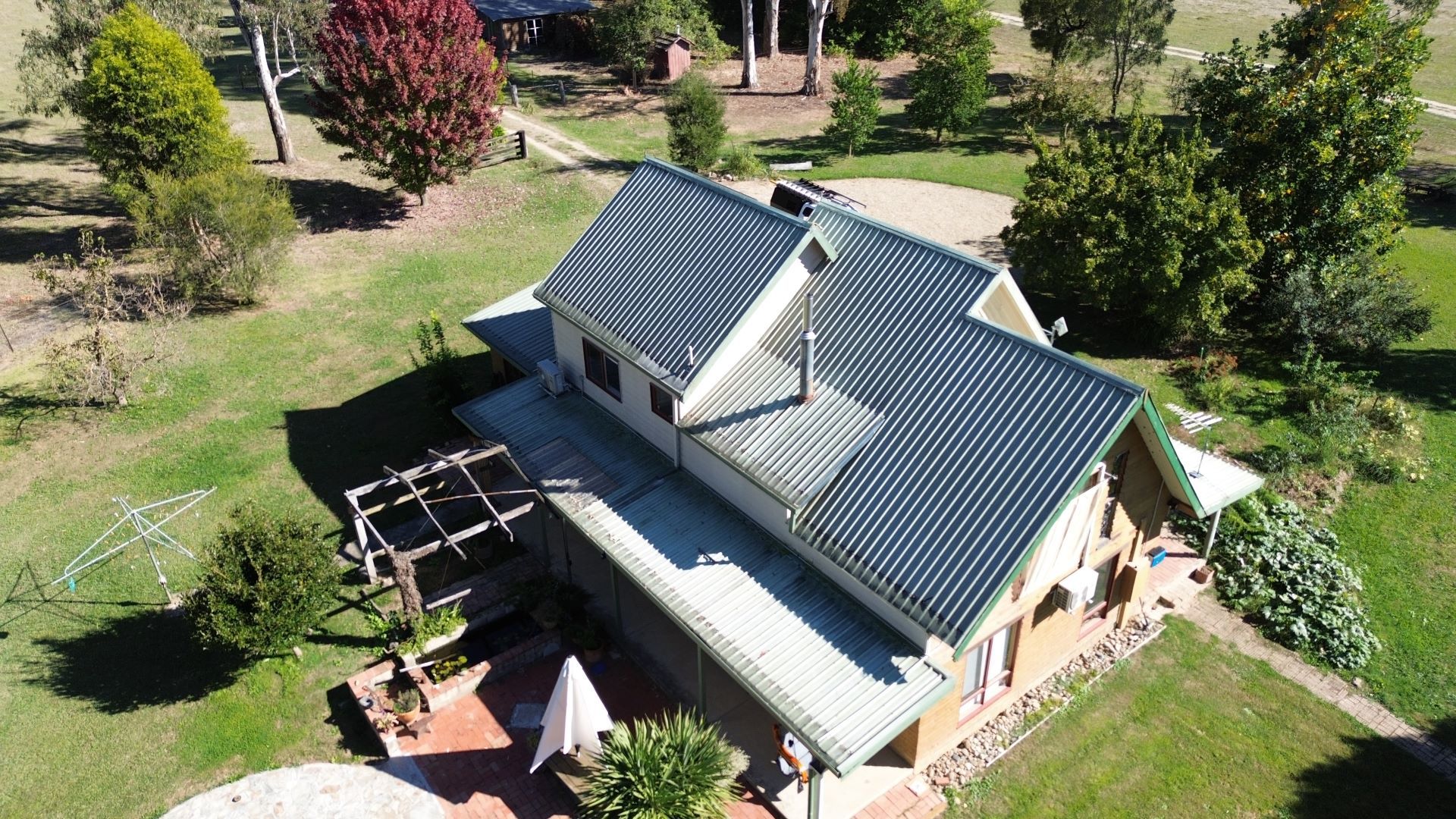
In general, metal roofs can last for decades if they are installed well and kept clear of debris. Tiled roofs can also last a long time, but the tiles and ridge caps can become brittle or loose with repeated heat and cold. Simple corrugated steel usually has a shorter life, especially if it is older or has limited protective coating.
Local conditions play a big part in this. Wodonga’s hot sun and cold nights put roofs through a daily cycle of expansion and contraction, and that movement slowly works on fasteners, joints and coatings. Real-world lifespan is shaped by installation quality, roof pitch and drainage, and how well the roof space is ventilated. It also depends on what is happening around the property, such as nearby trees dropping leaves and branches, and whether gutters and roof surfaces are cleaned regularly.
As a simple rule of thumb, once a roof is getting towards the back half of its expected life and you are also seeing visible wear, it is time to plan. Instead of waiting for major leaks, many owners start thinking about replacement when the roof age and condition together are giving them doubts, when repairs are becoming more frequent, or when they are already planning other work like solar, extensions or new cladding. Planning early gives you time to choose materials, book a good weather window and combine other upgrades.
Weather Impacts on Roof Wear and Project Timing
Wodonga’s climate slowly wears on roofs in a few clear ways:
- Strong UV can fade coatings and dry out some sealants
- Heat and cold cycles stress tiles, ridge caps and metal joints
- Heavy rain shows up any weakness in flashing, valleys and gutters
On tiled roofs, we see more cracked or shifted tiles and aging mortar in ridge caps after repeated hot summers and cold winters. On metal roofs, screws can loosen and sheets can move slightly over time, which can open small gaps if they were not fixed correctly at the start. Gutters and fascia take a beating from both sun and water, especially where leaves sit for long periods.
When it comes to timing the actual replacement, different seasons tend to suit different households and schedules:
- Late winter: Often a good time to start planning and booking, with milder days starting to return.
- Spring: Popular for roofing work, with longer days and usually more stable weather.
- Summer: Dry conditions are handy, but heat can be uncomfortable for crews and for people inside the home or building.
- Autumn: Can also work well, especially before the colder, wetter months set in.
Good roofing teams watch the forecast closely and build in some flexibility. That way, if rain is on the way, they can adjust the schedule so your home or business is kept dry and disruption is limited.
Signs Your Roof Is Near the End of Its Life
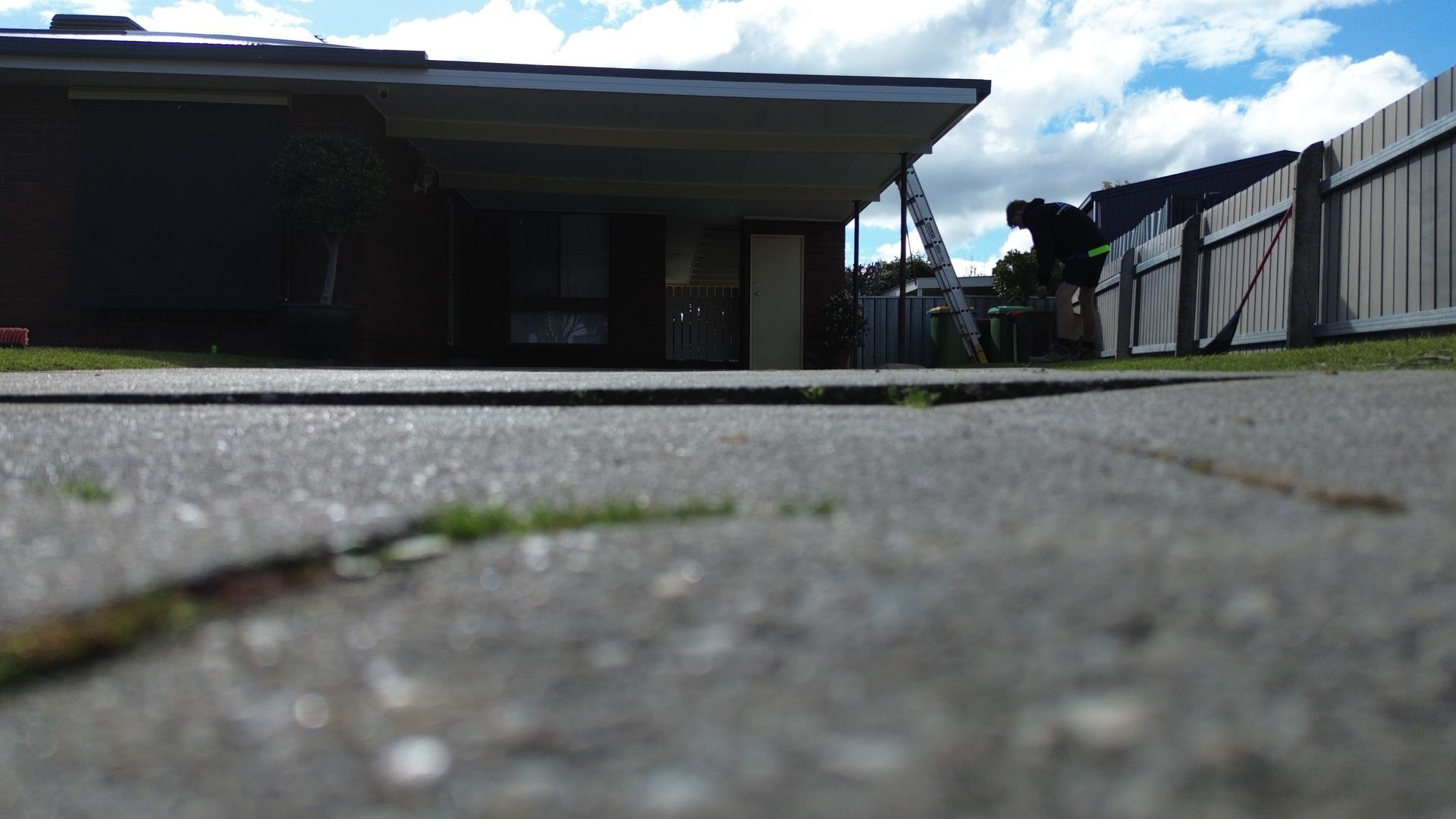
You do not need to climb on the roof to spot many warning signs. From the ground or from inside the home you can keep an eye out for:
- Sagging areas or dips in the roof line
- Widespread tile cracking, flaking or missing sections
- Metal sheets with rust patches, pitting or lifting edges
- Peeling, chalky or patchy paint and coatings
- Recurring water marks on ceilings or internal walls after rain
Your gutters, fascia and wall cladding also tell part of the story. If gutters are rusted through in several places, fascia is warped or rotting, or wall cladding is faded and tired, it might be time to stop patching and think about a more complete re-roof or upgrade.
We suggest having a professional inspection at key points in your roof’s life, and after harsh seasons. An inspection can uncover:
- Leaks that have not yet reached the ceiling
- Loose flashing and ridge capping
- Underlying structural or insulation issues
Finding these early lets you plan replacement calmly, instead of reacting to urgent problems.
Planning a Roof Replacement in Wodonga Step-by-Step
A well-planned roof replacement feels far less stressful. A simple timeline often looks like this:
- Initial inspection and discussion about your goals
- Written quote and scope of work
- Choosing roofing profile, colour and any added upgrades
- Locking in dates and arranging access
- Site preparation and safety setup
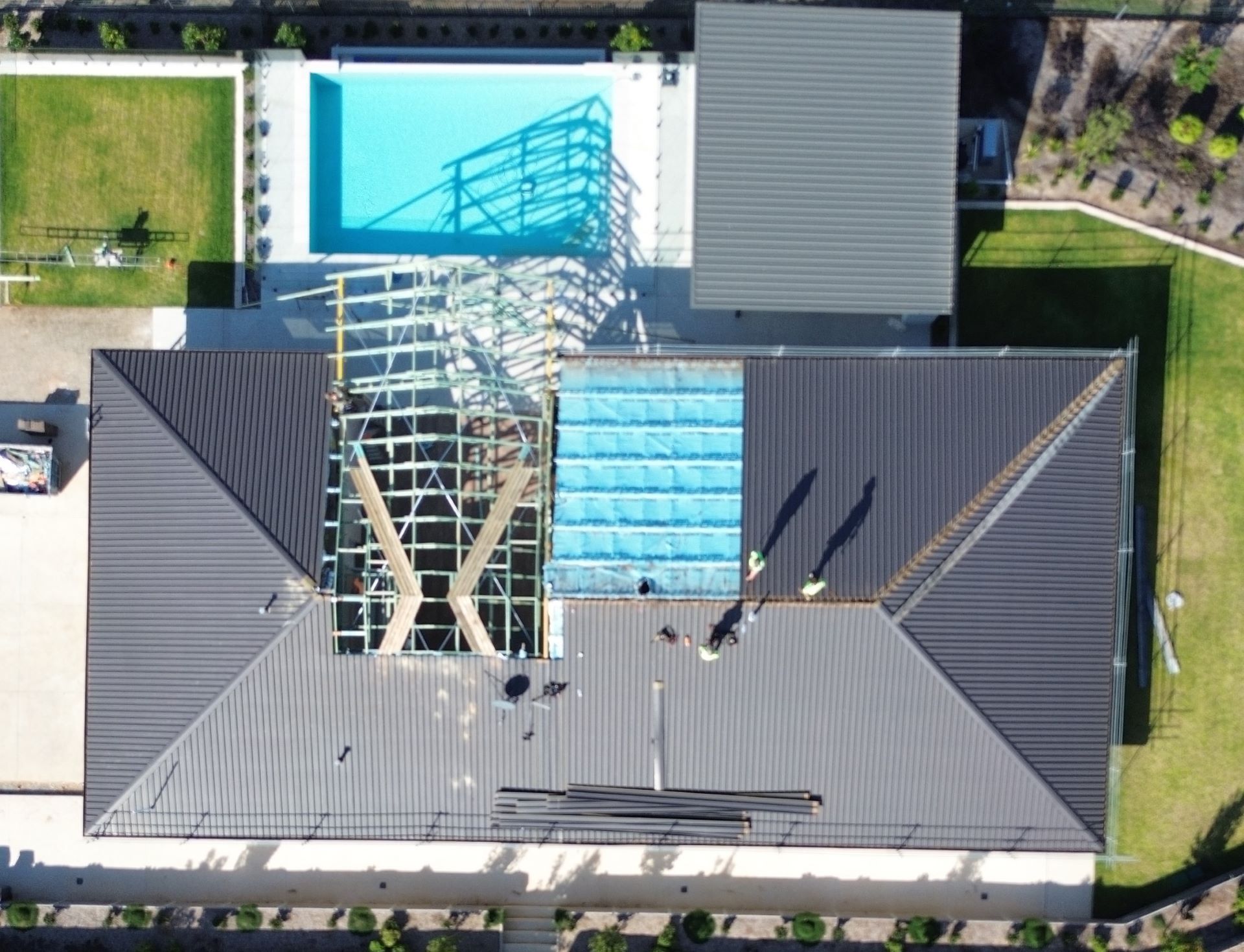
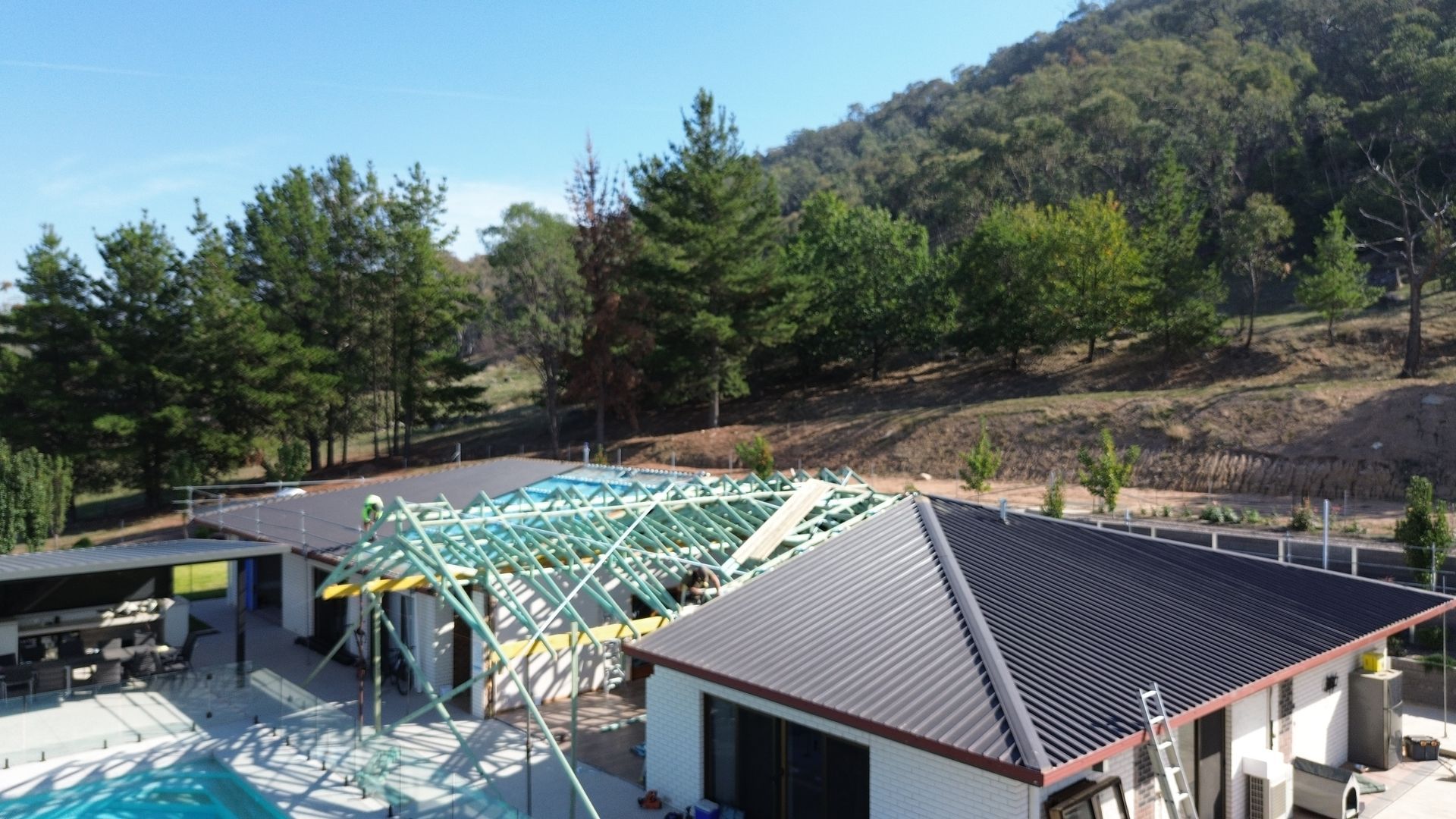
- Removal of old roofing and installation of new materials
- Final checks, clean-up and walk-through
It often makes sense to combine work while the roof is open. Many owners choose to pair roof replacement with:
- New fascia and gutter
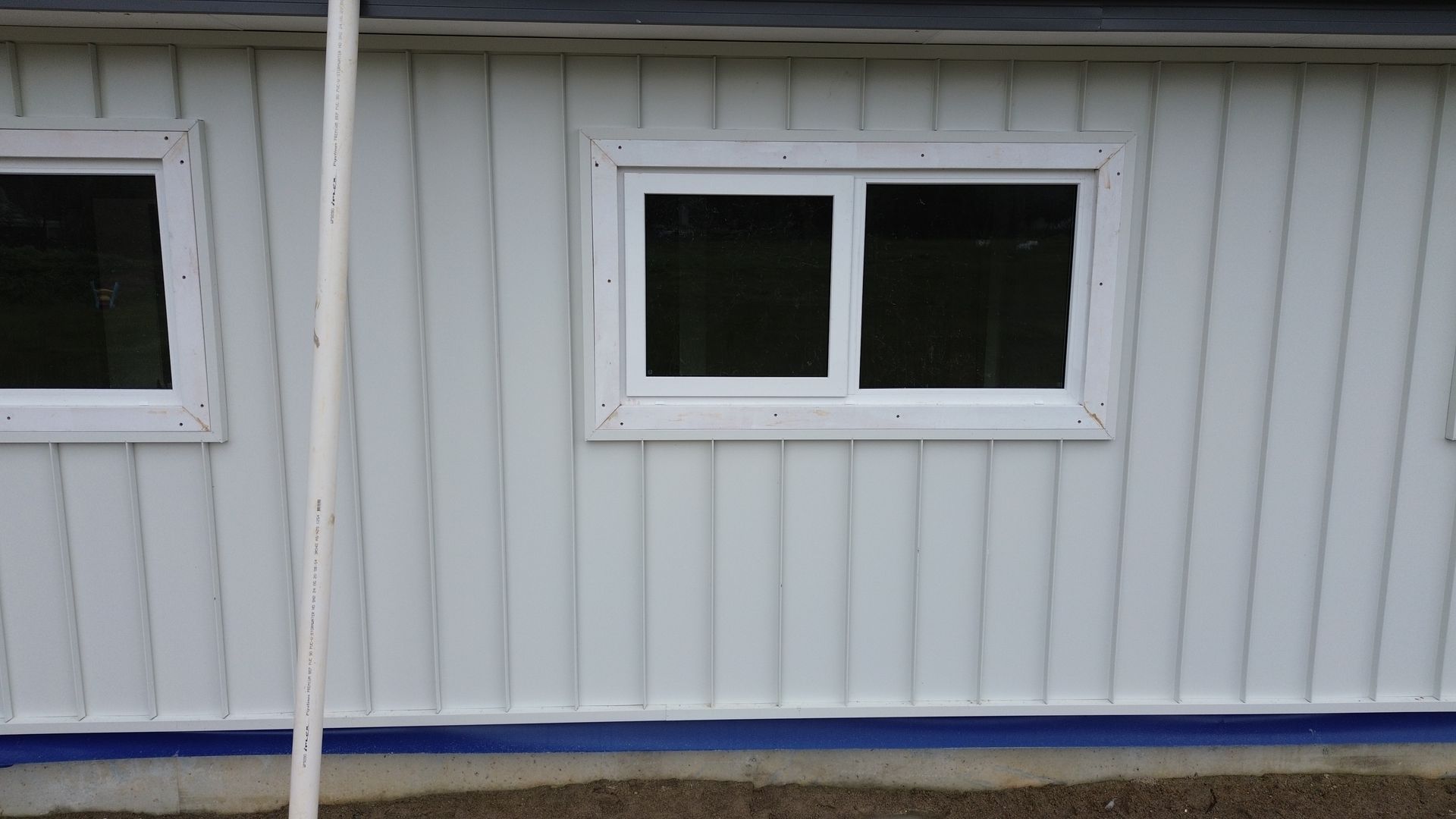
- Wall cladding refresh on gables or upper walls
- Insulation improvements in the roof space
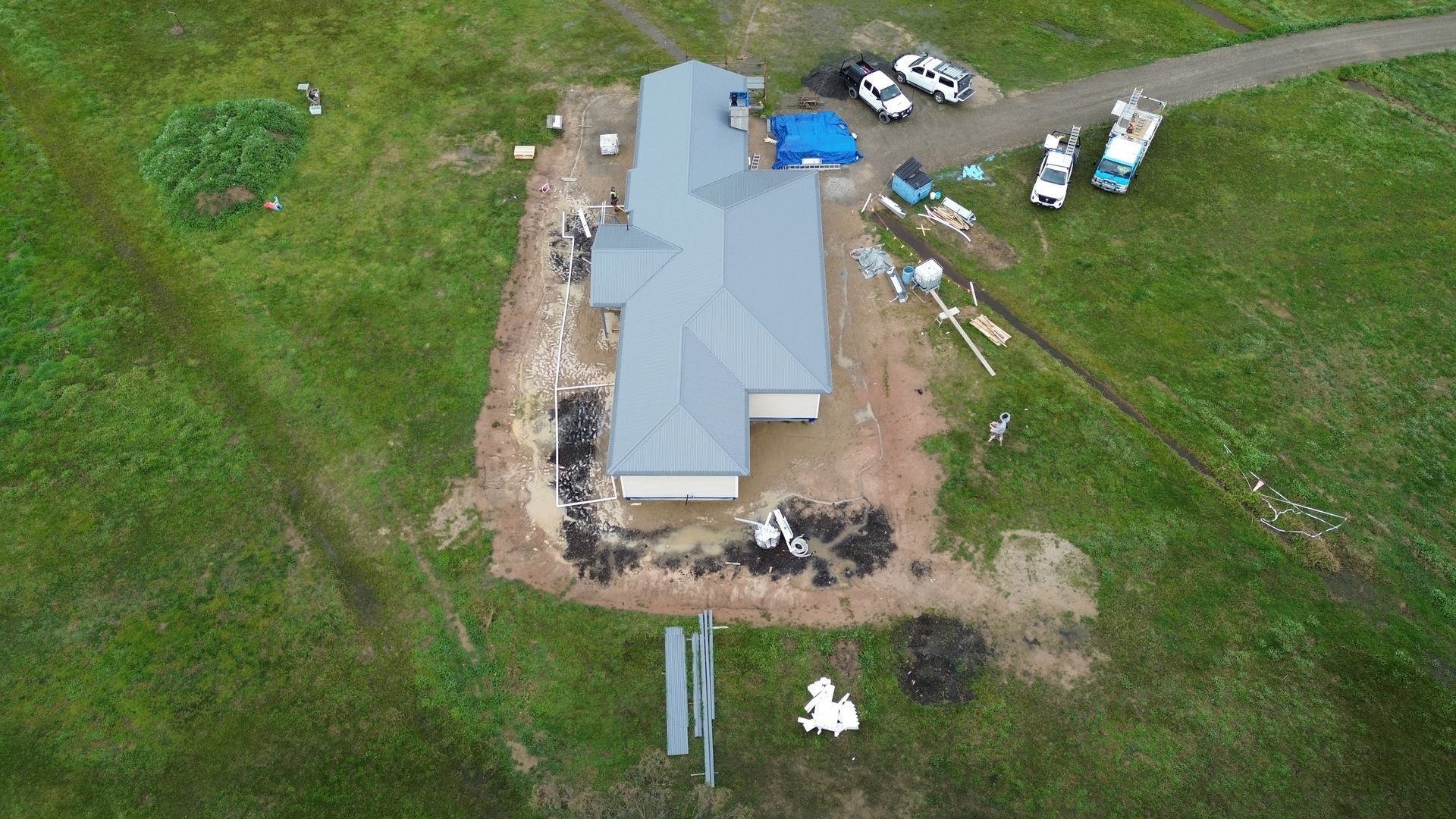
This can save time overall and means less repeated disruption. Good planning should also consider the practical side of how the job will run day to day, including protecting gardens, driveways and outdoor areas, managing parking and access for trucks and skips, keeping entry points clear for residents or customers, and coordinating with other trades like painters or electricians. Talking through these details early helps the project run smoothly for both homes and small commercial properties.
Choosing Materials and Styles for Local Performance
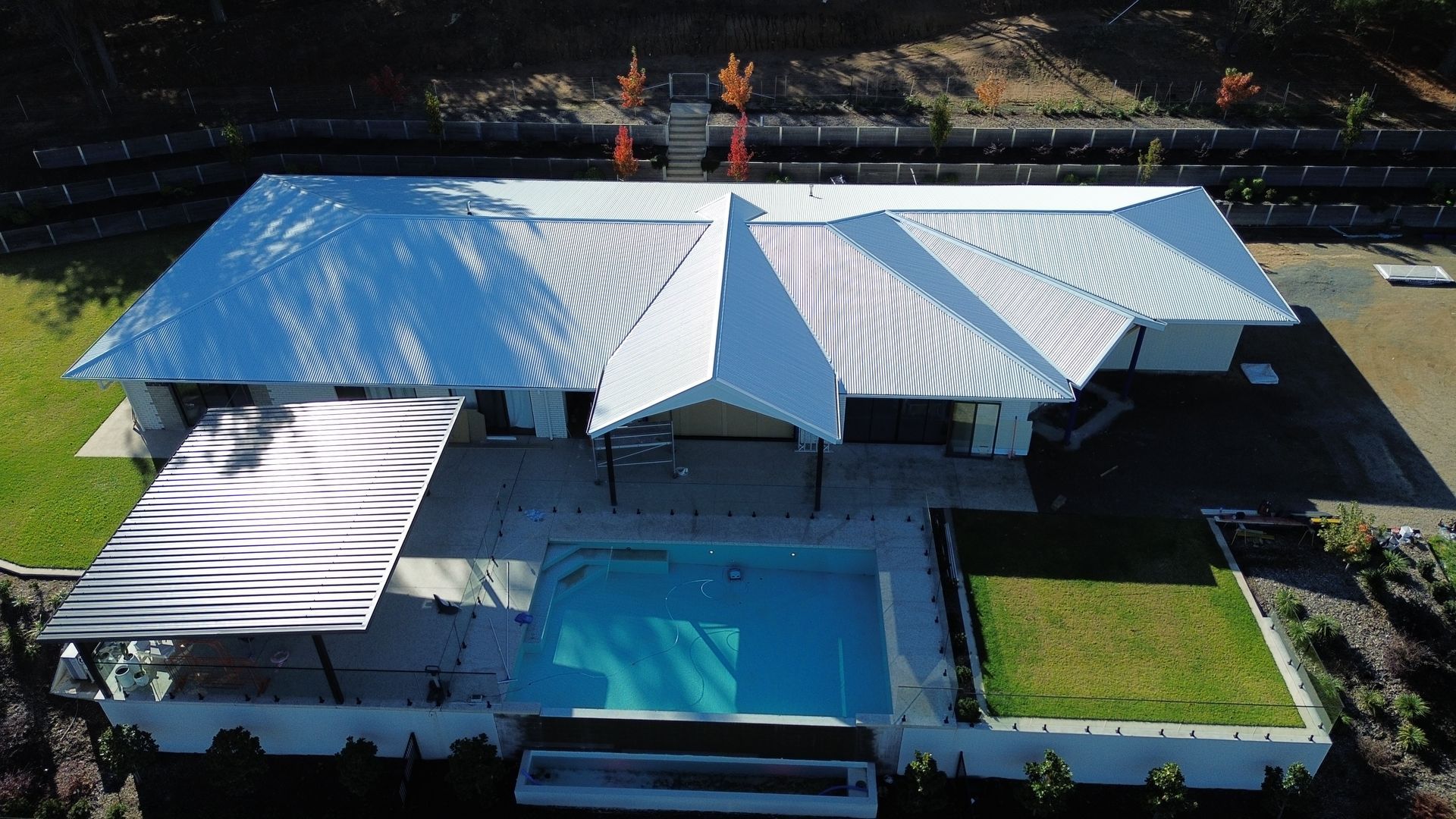
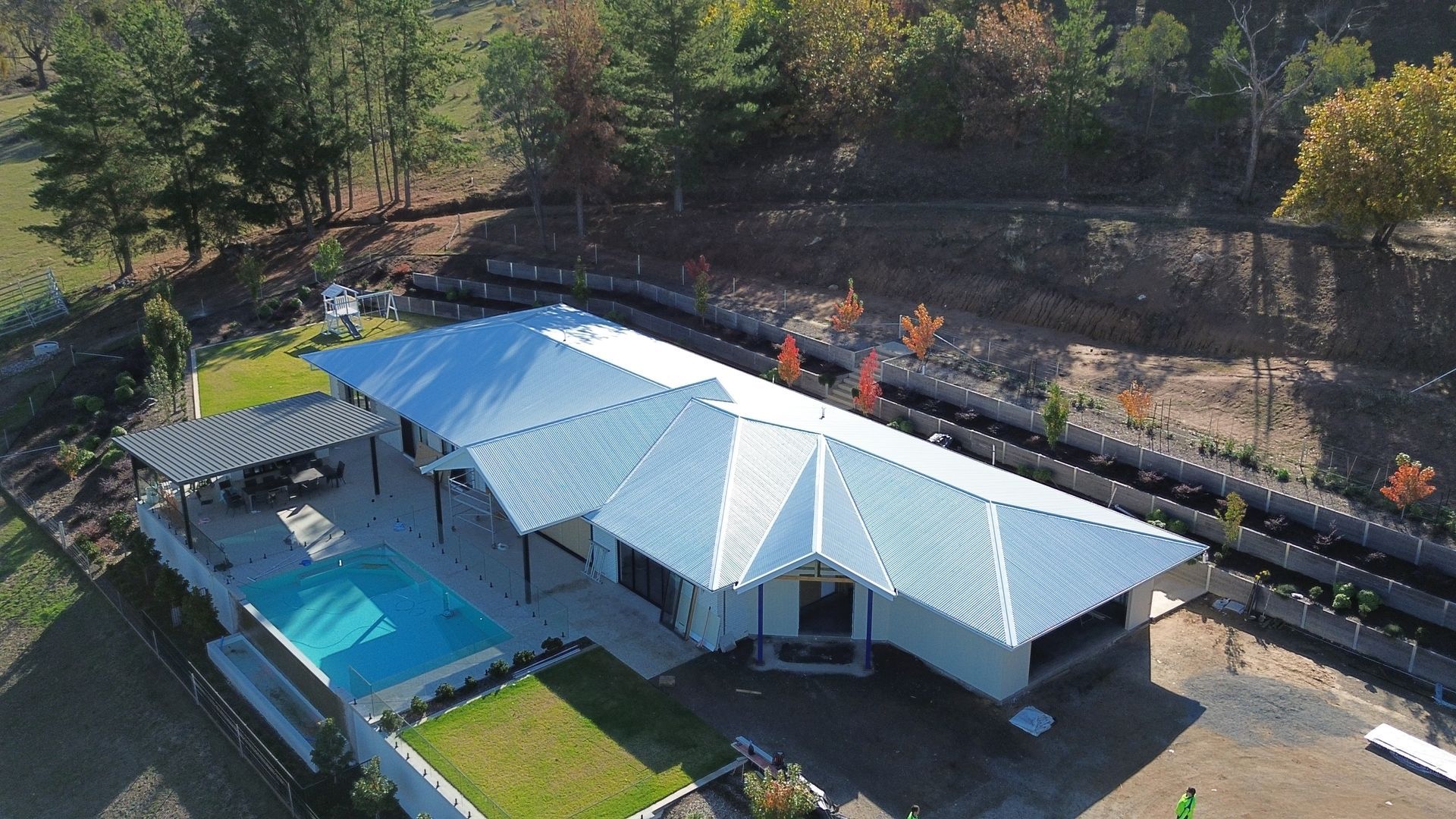
For Wodonga homes and businesses, metal roofing is a popular choice because it is light, durable and suits both modern and traditional buildings. There are different profiles and finishes that can suit:
- Low-pitch roofs on contemporary homes
- Classic profiles that suit older-style houses
- Strong, practical roofs for workshops and small commercial sites
Tiled roofs still appeal to many owners for their traditional look. They can be a good match where surrounding homes already have tile and you want to keep the same feel.
Energy efficiency and comfort are also big considerations. To help keep interiors more comfortable through hot summers and cool winters, you can think about:
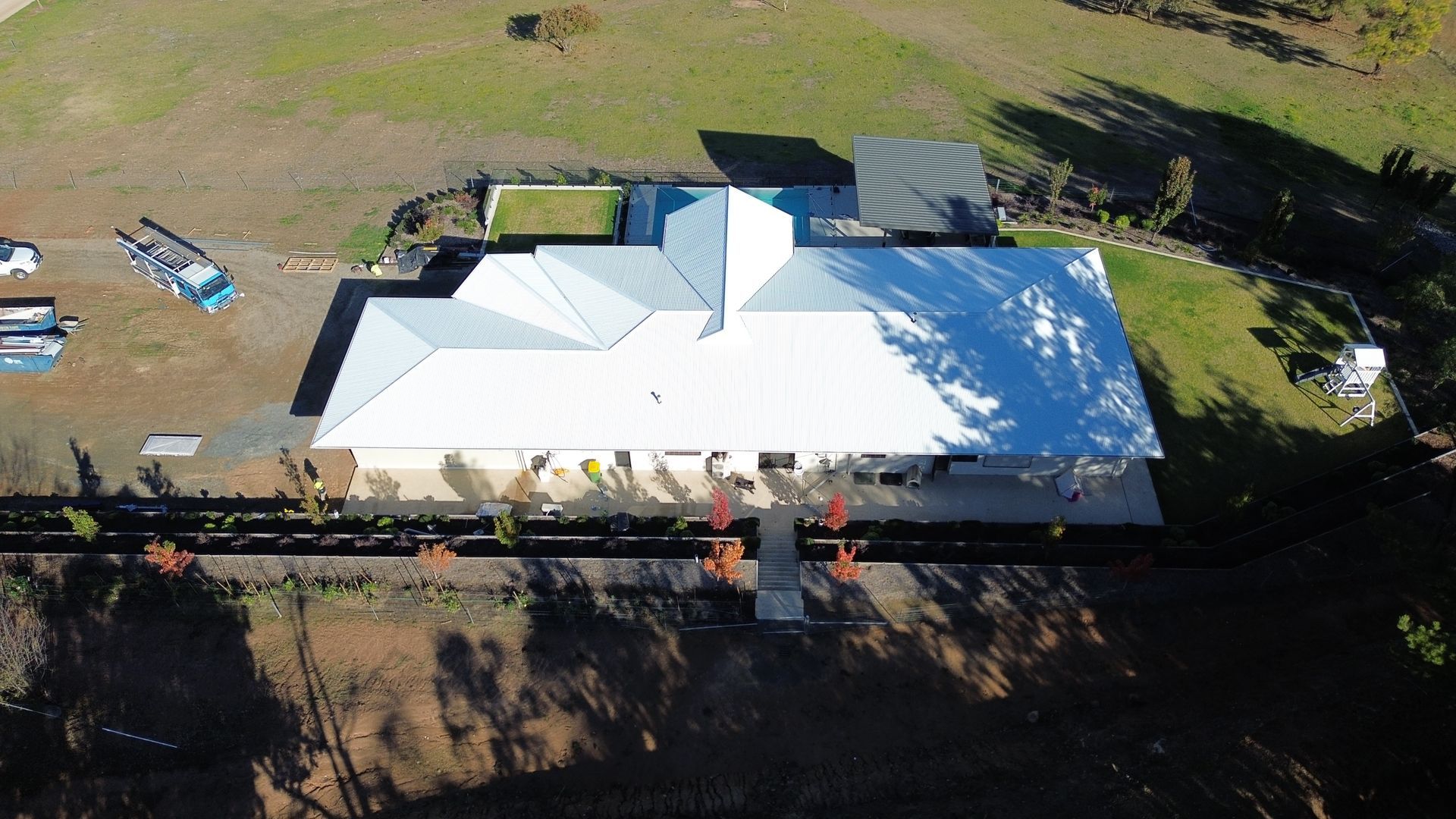
- Lighter roof colours that reflect more sunlight
- Quality insulation in the roof space
- Roof profiles that allow for good ventilation design
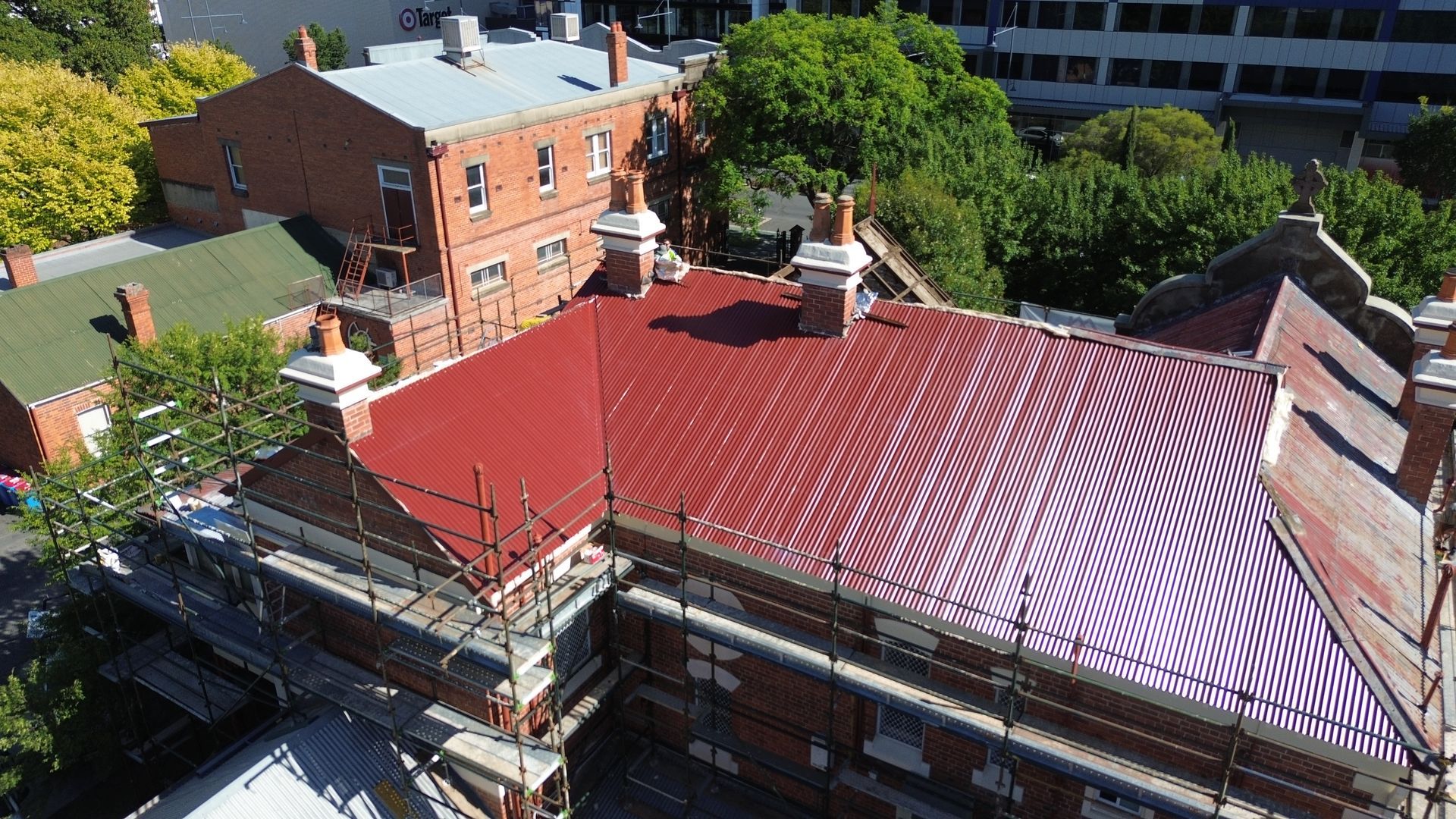
For homes, it is worth looking at how your roof choice fits the street. A colour that works with your brick, render or cladding and with nearby houses will feel right long term. For small commercial buildings, roof colour and profile can support your brand, giving a neat, professional and modern appearance that customers notice.
A well-timed, well-planned roof replacement in Wodonga gives you peace of mind, better comfort and a roof that stands up to local weather for years to come.
Get Started With Your Project Today
If your roof is showing its age or causing problems, we can help you plan a straightforward, cost-effective
roof replacement in Wodonga. At Mosbey Roofing, we take the time to assess your home, explain your options and provide clear pricing before any work begins. Reach out to our team to discuss your timeline, materials and any questions you have. To book an inspection or request a quote, simply
contact us today.